
Residential Gutter Materials Compared: Aluminum, Steel, Copper, and Vinyl
Residential gutter materials compared: aluminum, steel, copper, and vinyl help homeowners choose the best option for their needs, with local contractors ready to handle installation.
Understanding the differences between residential gutter materials-such as aluminum, steel, copper, and vinyl-is an important step for property owners considering gutter installation or replacement. Each material offers distinct advantages in durability, appearance, and maintenance needs, making it essential to choose the right option for the specific demands of a property. Local contractors who specialize in residential gutter installation can help evaluate these factors, ensuring that the chosen material aligns with the property's architecture and the owner’s long-term goals.
Exploring the pros and cons of each gutter material can also influence decisions related to longevity and overall performance, especially in areas where weather and environmental conditions vary. Property owners in the community can benefit from the expertise of local service providers who understand how different materials perform in the local climate. Whether upgrading existing gutters or installing new ones, connecting with experienced local contractors ensures that the installation is handled correctly and efficiently, helping to protect the home and maintain its curb appeal.
- Residential gutters installation for aluminum materials is ideal when homeowners need durable, lightweight options and local contractors can customize the installation process to match existing home exteriors. Steel gutter installations are suited for properties requiring extra strength and resistance to impact, with local service providers ensuring proper handling and secure attachment. Copper gutter services are chosen when a homeowner desires long-lasting, corrosion-resistant materials, and local pros can expertly manage the delicate installation process for this premium choice. Vinyl gutter installation is often selected for budget-conscious projects, with local contractors focusing on quick, efficient setups that provide reliable protection against water damage.
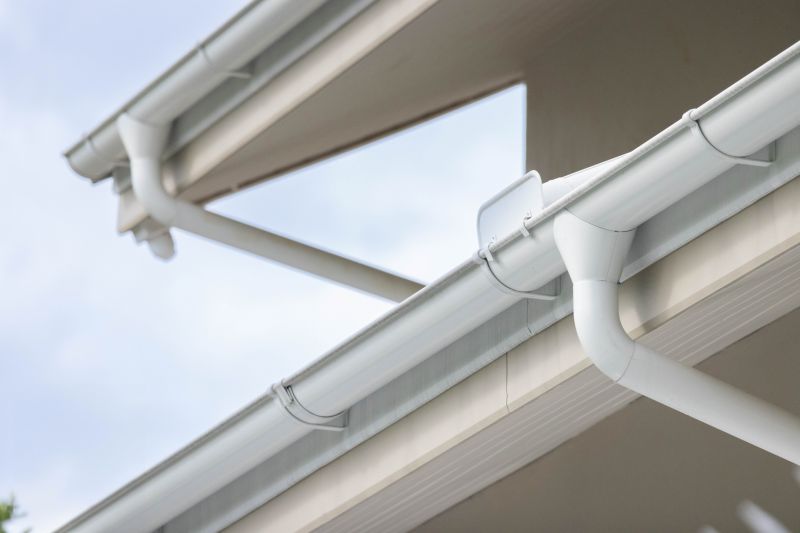
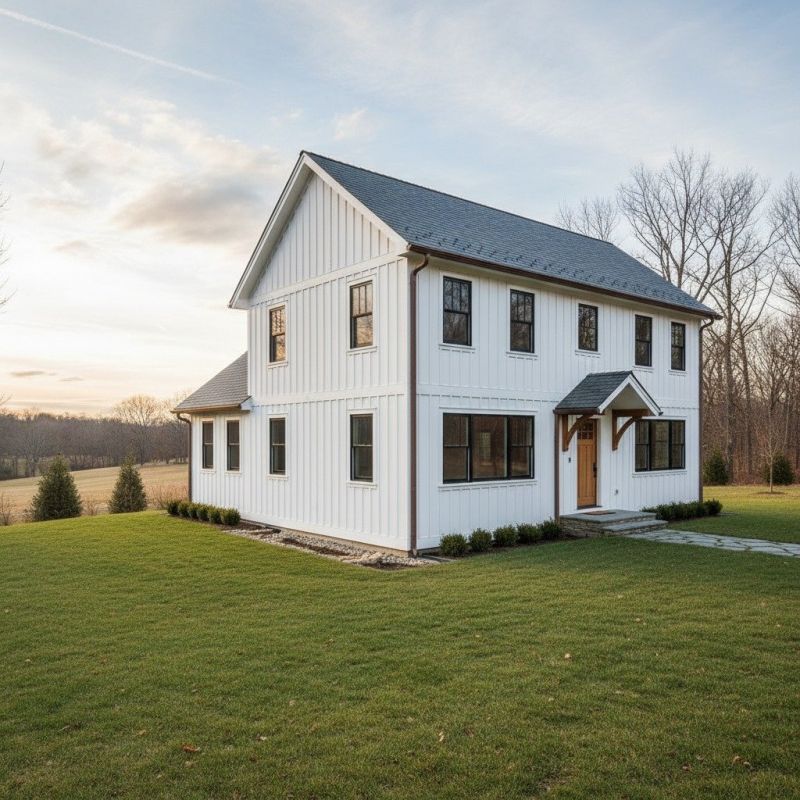
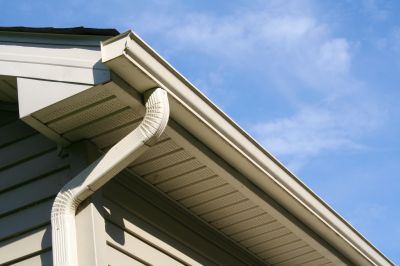
When homeowners search for information on residential gutter materials compared: aluminum, steel, copper, and vinyl, they are often trying to determine which type best suits their property’s needs. This topic typically comes up during planning or renovation projects focused on improving drainage systems, preventing water damage, or upgrading outdated gutters. Homeowners may be concerned about durability, appearance, maintenance requirements, or how well each material withstands local weather conditions. Understanding these differences helps in making informed decisions about the most suitable gutter material that aligns with the property’s style and functional needs.
The comparison of residential gutter materials is especially relevant for properties experiencing specific challenges, such as heavy rainfall, snow, or exposure to harsh elements. It also relates to plans for long-term maintenance and cost-efficiency, as different materials vary significantly in lifespan and upkeep. For homeowners with older homes or those seeking a particular aesthetic, the choice of gutter material can influence curb appeal and overall property value. Typically, these projects involve single-family homes, historic properties, or newer developments where the durability and appearance of gutters are key considerations.
Many types of properties come up in discussions about gutter materials, including traditional houses, modern residences, and even multi-unit buildings. The decision often depends on the local climate, architectural style, and personal preferences. For example, a homeowner in a coastal area might prioritize copper for its corrosion resistance, while someone with a budget-conscious approach might lean toward vinyl. Local residential gutter installation service providers are familiar with the advantages and limitations of each material, helping homeowners select options that best match their property’s specific needs and ensuring proper installation for optimal performance.
Choosing the right gutter material involves understanding how each option performs in different conditions and how it complements the property’s design. Local contractors who specialize in residential gutter installation can provide valuable insights into the best choices for particular environments and property types. They can also ensure that the selected materials are installed correctly, maximizing their lifespan and effectiveness. Whether the goal is to enhance durability, improve appearance, or reduce maintenance, working with experienced service providers simplifies the process of selecting and installing the most suitable gutter system for any residential property.
Metal fabrication projects - skills in shaping and installing various metal materials are essential for projects involving steel, copper, or aluminum gutters, and local contractors can assist with custom fittings and seamless installations.
Home exterior remodeling - planning and executing updates to a home's exterior often include gutter systems, requiring knowledge of different materials and compatibility with other siding or roofing elements, which local service providers can provide.
Roof flashing and weatherproofing - installing flashing and sealing around roof edges involves similar techniques used in gutter installation, with local pros ensuring proper integration of gutter materials with roofing components.
Downspout and drainage system installation - connecting gutters to downspouts and drainage solutions demands planning and precise work, which local contractors experienced in gutter materials can expertly handle.
Metal roofing and siding installation - skills in working with various metal materials translate well to gutter systems, and local pros can help with coordinated installation for durability and aesthetic consistency.
Cladding and siding projects - working with different siding materials involves planning and installation skills similar to gutter material comparisons, with local service providers able to assist on-site.
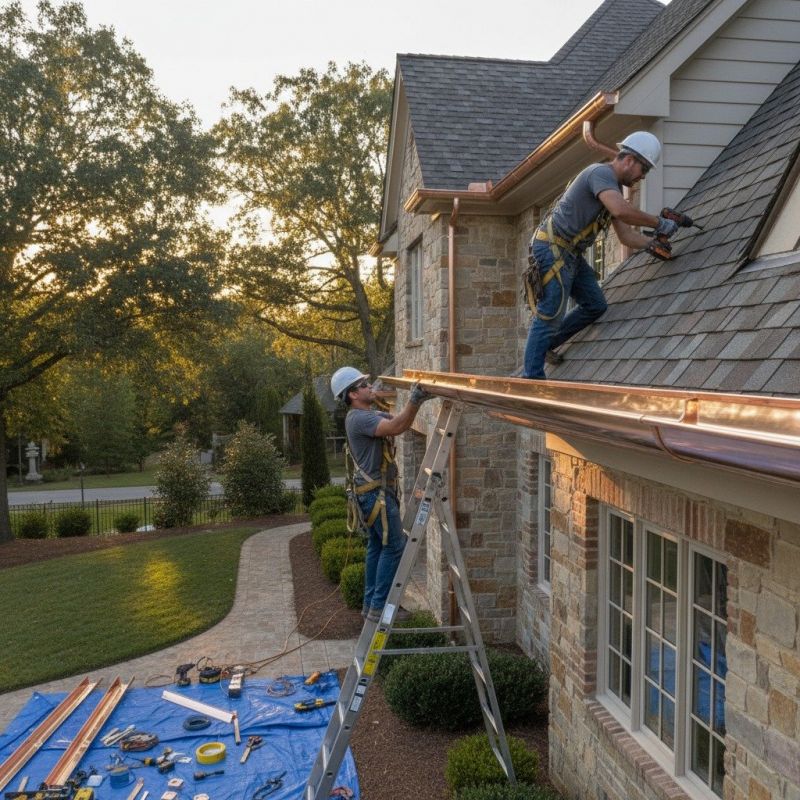
When evaluating residential gutter materials compared: aluminum, steel, copper, and vinyl, it is essential to consider the experience of local contractors with similar projects. Homeowners should seek service providers who have a proven track record installing these different materials in homes comparable to their own. An experienced contractor will understand the nuances of each material’s installation requirements, durability expectations, and aesthetic considerations, helping to ensure that the chosen gutter system performs well over time and complements the home’s design.
Clear written expectations are a vital part of the selection process. Homeowners should look for local contractors who can provide detailed descriptions of the scope of work, including the specific gutter materials they recommend based on the homeowner’s needs and preferences. This clarity helps prevent misunderstandings and ensures that both parties are aligned on the project’s goals, whether it involves the aesthetic appeal of copper or the affordability of vinyl. Well-defined expectations also facilitate smoother communication throughout the project, making it easier to address any questions or adjustments that may arise.
Reputable references and good communication are key indicators of trustworthy service providers. Homeowners are encouraged to ask for references from past clients who have had similar gutter material installations. This feedback can offer insights into the contractor’s reliability, craftsmanship, and professionalism. Additionally, service providers who communicate clearly, respond promptly to inquiries, and are transparent about processes tend to foster a more positive experience. When comparing local contractors, prioritizing those with strong reputations and open communication can lead to a more satisfying outcome for residential gutter installation projects involving various materials.
Property owners often search for residential gutter materials compared: aluminum, steel, copper, and vinyl when they are planning practical projects around their homes and businesses. Local pros provide Residential Gutters Installation services for everyday jobs and straightforward project options.

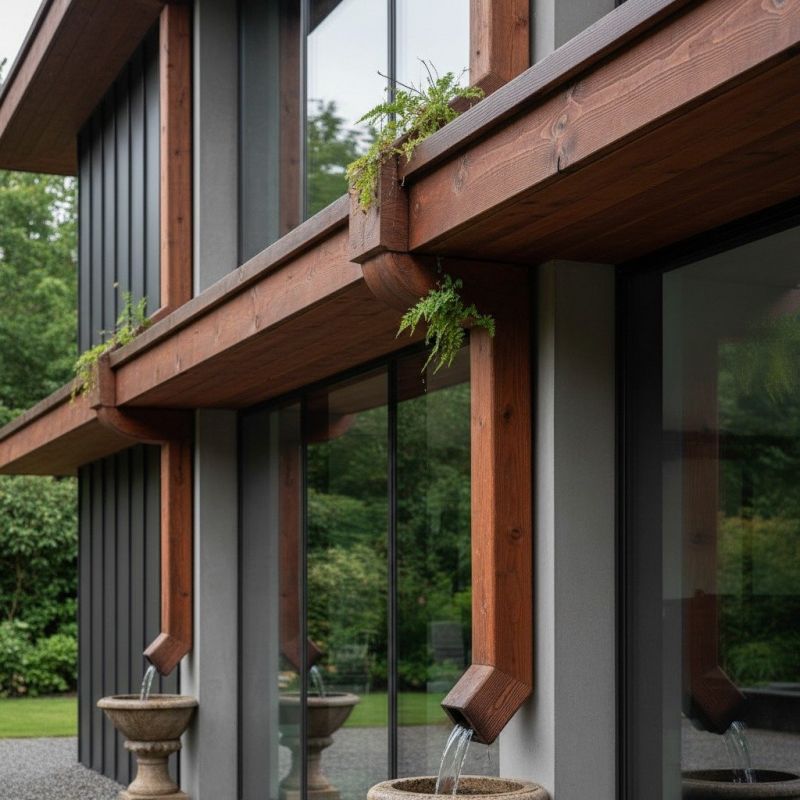
When considering residential gutter materials compared: aluminum, steel, copper, and vinyl, property owners often evaluate factors like durability, appearance, and maintenance needs for their homes. Aluminum gutters are popular for their lightweight nature and resistance to rust, making them suitable for everyday projects where ease of installation and longevity are priorities. Steel gutters, on the other hand, are known for their strength and durability, which can be beneficial in areas prone to heavy weather or where extra reinforcement is desired. Copper gutters offer a distinctive look and develop a natural patina over time, appealing to those seeking a classic or upscale appearance, while vinyl gutters are a budget-friendly option that’s easy to install and maintain, ideal for straightforward residential projects.
For homeowners exploring options for gutter replacement or installation, understanding the differences in these materials can help inform decisions based on the specific needs of their property. Local contractors who specialize in residential gutter installation can provide insights into how each material performs in the local climate and help determine the best choice for durability, style, and budget. Whether a homeowner prefers the low-maintenance appeal of vinyl or the timeless look of copper, connecting with experienced service providers ensures the installation process aligns with the property's requirements and personal preferences.
What are the main differences between aluminum, steel, copper, and vinyl gutters? Residential gutter materials compared: aluminum, steel, copper, and vinyl vary in durability, appearance, and maintenance needs. Local contractors can help assess which material suits specific home requirements and preferences.
Which gutter material is most resistant to rust and corrosion? Among residential gutter materials compared, steel and copper tend to resist rust better than vinyl, with copper offering excellent corrosion resistance. Local service providers can recommend the best option based on climate and home environment.
How do the aesthetic options differ among aluminum, steel, copper, and vinyl gutters? Residential gutter materials compared: aluminum and copper often provide a more polished look, with copper developing a distinctive patina over time. Vinyl and steel may have limited color choices but can still complement various home styles.
Are some gutter materials easier to install than others? In residential gutter materials compared, vinyl is typically easier for DIY installation, while aluminum, steel, and copper often require professional installation for proper fitting and sealing. Local pros can ensure secure and effective setup.
What maintenance considerations are associated with each gutter material? Residential gutter materials compared: aluminum and vinyl generally require less maintenance, while steel and copper may need periodic cleaning and inspections to prevent corrosion or staining. Local contractors can provide guidance on upkeep for each material.
Aluminum gutter installation can be considered for homes needing lightweight and low-maintenance options, with local contractors able to customize and install these durable systems. Steel gutter services are suitable for properties requiring extra strength and impact resistance, especially in areas prone to severe weather conditions. Copper gutter solutions offer a timeless aesthetic that can enhance the curb appeal of historic or upscale residences, with local pros skilled in precise fitting and finishing. Vinyl gutter installation provides an affordable and easy-to-install choice for DIY-friendly projects, with local service providers ready to handle straightforward replacements or upgrades.
If you are thinking about residential gutter materials compared: aluminum, steel, copper, and vinyl for a property, this guide is meant to help you understand this topic, the typical project types, and how different options might fit your plans.
When you are ready, you can use the quote form on this page to share a few details about your project. From there, local pros can review the basics and follow up with options that match what you have in mind.